

what i read in april
all the books i read in april

Every month when I sit down to write these wrap ups I think to myself ‘oh I don’t think I read much this month’ and then I open up StoryGraph to discover I read 4+ books, which is objectively a lot (apparently the average person reads 1 book a month).
I think when reading has always been a part of your life, it is just so ingrained and habitual that sometimes you forget you do read a lot. Ever since I can remember, I’ve always had a book on the go at any given time. Also, I have been attempting to fight that desperate itch to scroll by picking up a book, so now more than ever I need to be reading something at all times. I used to read a fiction book and a non-fiction book simultaneously, so I need to get back into that habit.
I’ve been toying with the idea of doing a ‘replacing my screen time with reading’ type of post, which is quite a scary concept but is very needed. So let me know if you’d be interested in that! It might just about finish me off but hopefully my brain will thank me in the end.
Here’s everything I read in April:
Into The Wreck - Susannah Dickey [4]
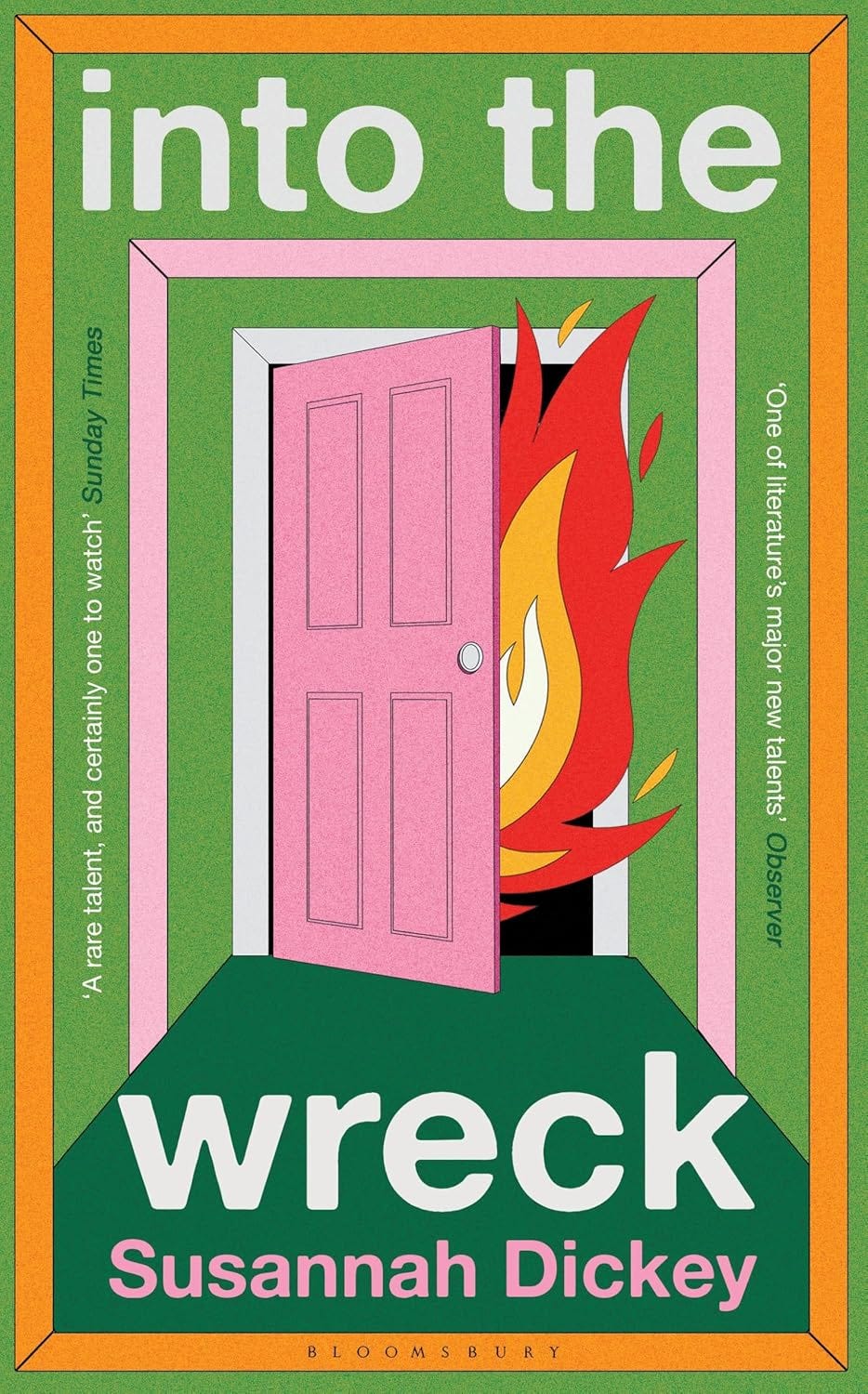
Five members of a family reunite for the funeral of a man who means something different to each of them.
Into The Wreck is Susannah Dickey’s take on the family novel, told with her trademark intelligence and wit. Across 5 chapters, we hear the perspective of each family member: three siblings, their mother, and their aunt. The strongest aspect of this novel was the characterisation: every character was so fully realised with all their human foibles and contradictions. Just like with your own family, you wanted to scream at them and hug them at the same time.
It’s a heavily character-driven novel, and through each character Dickey astutely examines our human idiosyncrasies and how each of us approach the same situation in vastly different ways. It focuses a lot on how you can never fully know someone and what they’re thinking, even when they are your family.
Daughters of the Bamboo Grove - Barbara Demick [4]
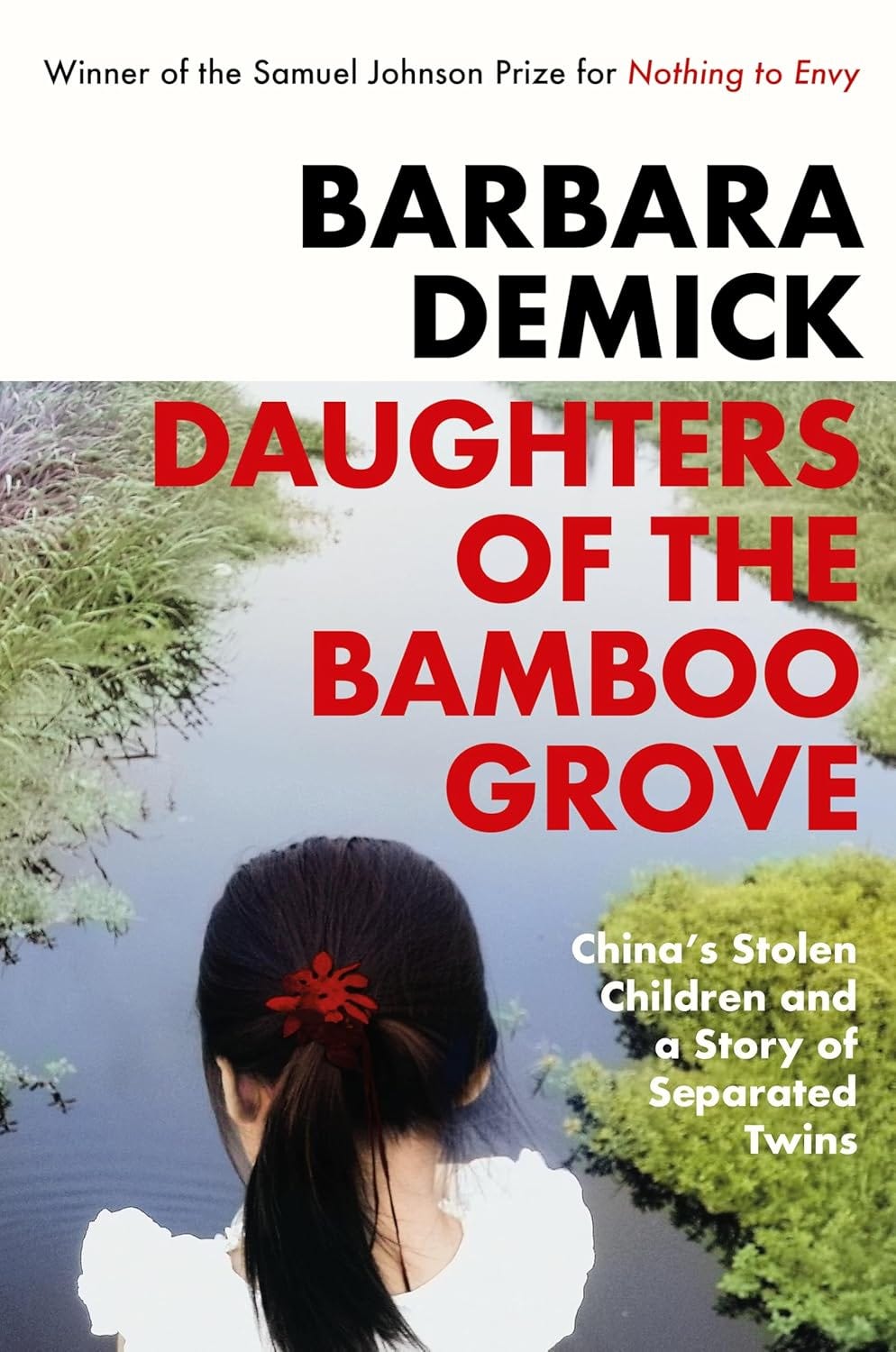
A non-fiction exploring China's one-child policy through the story of separated identical twin sisters.
A great narrative non-fiction and passionate piece of journalism, exploring the devastating cost of China’s one-child policy. The core of the story focuses on twin girls who were separated as babies, with one twin snatched from her family by the authorities, sent to an orphanage, and later adopted by an American family, while the other twin grew up in China. Demick places their story within the wider context of child trafficking in China, performed under the guise of ‘abandoned children’ and international adoption.
Demick also delves into the complicated process of adopted children tracking down their biological families (and vice versa), along with a brief examination on how international relations changed in the wake of the Covid outbreak. I’ve read two books by Demick now, and both have been incredibly researched, compelling, and place real human lives at the centre of the story. I’m excited to read her book about Tibet, Eat the Buddha, next!
Wild Dark Shore - Charlotte McConaghy [3.5]
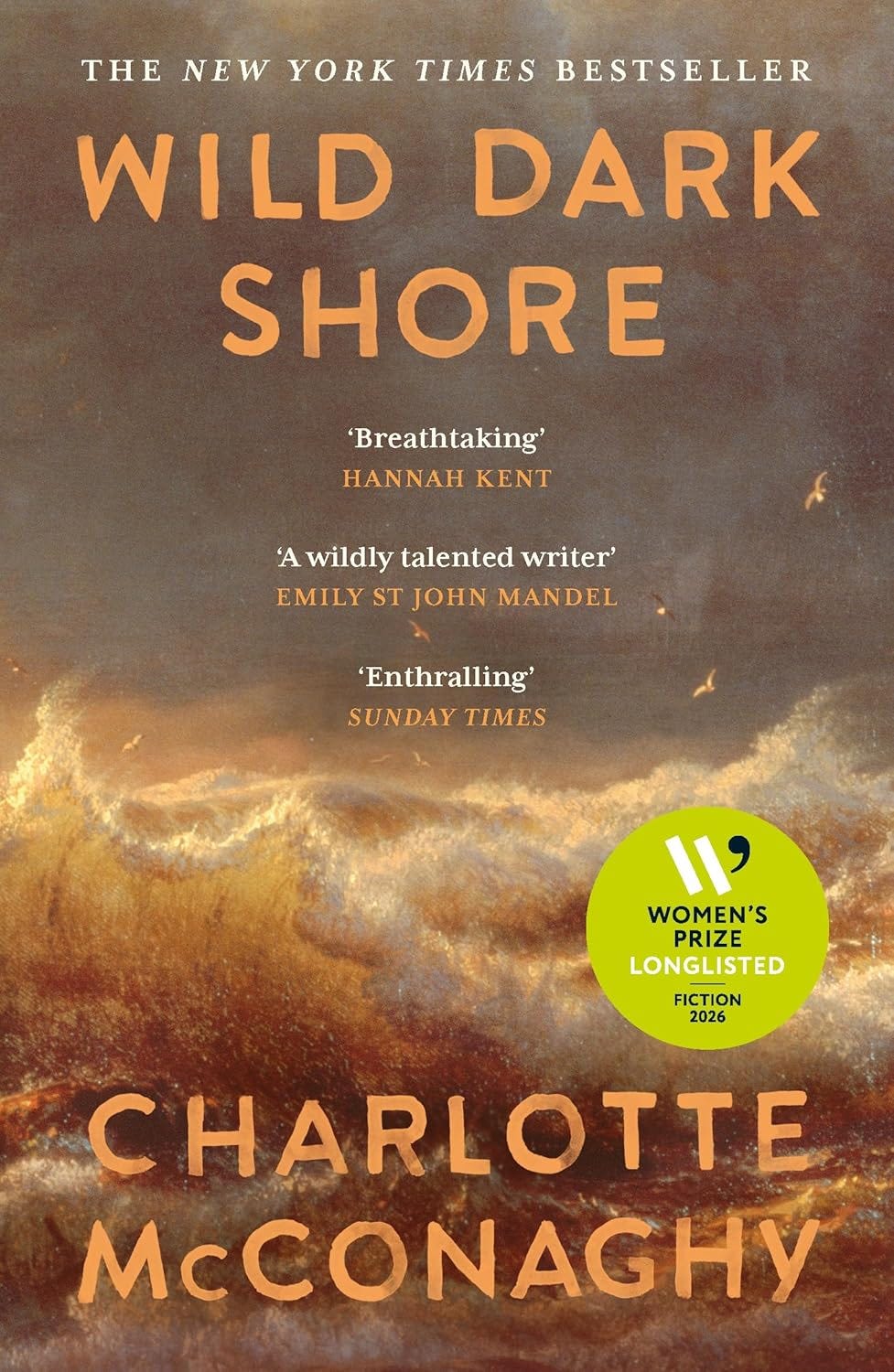
The Salt family are the final caretakers of a seed bank on a remote island as rising sea levels threaten their home. But when a mysterious woman washes ashore during a storm, family secrets and past traumas are uncovered.
I read this because it’s been all over my Instagram feed, and also because it was longlisted for the Women’s Prize for Fiction 2026. The setting of this novel was masterfully done; the atmosphere of the secluded island was so immersive that you can practically smell the saltwater and hear the howling storm winds.
The writing is undeniably stunning and laced with tension that kept me racing through to the end, even when I did begin to find parts of it a little melodramatic. However, I didn’t end up loving it as much as I wanted to. My biggest issue is that the author expects the reader to suspend their disbelief a little too much. Many of the events are very convenient, some characters are a bit too perfect (Dom felt like the epitome of a romantic hero you can tell was written by a woman), and the romance felt arbitrary and implausible. I actually believe scrapping the romance plot would’ve benefitted the book a lot. Also, I guessed a lot of what happened, but I suppose that is my own fault for ruining it for myself. I do think it would make a great film though.
London Falling - Patrick Radden Keefe [4]
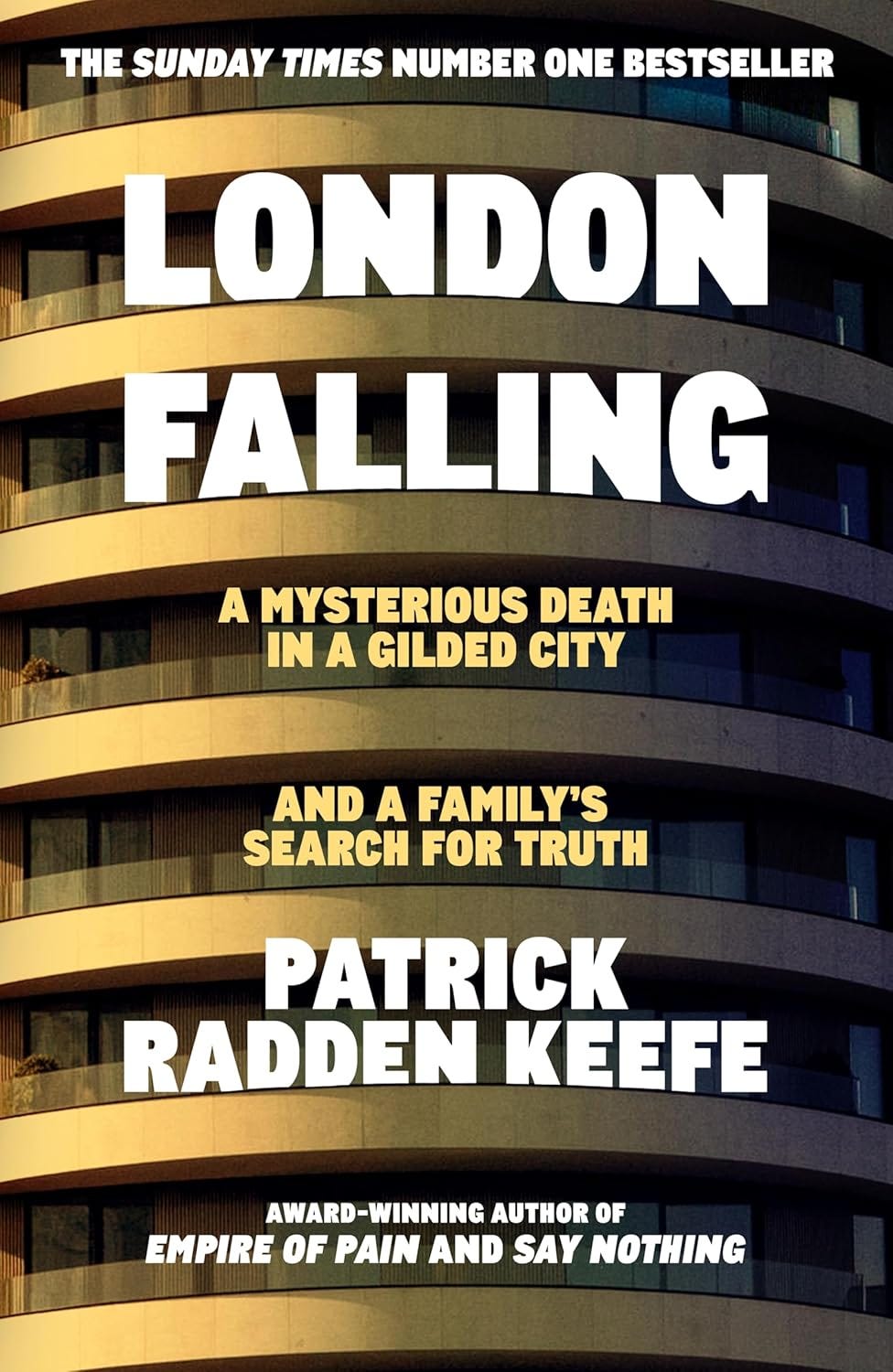
A true-crime narrative investigating the death of 19-year-old Zac Brettler, who fell from a London luxury apartment after posing as a Russian oligarch's son.
Another non-fiction banger from PRK! If you’ve been following me for a while, you’ll know I’m a huge Patrick Radden Keefe fan. I believe he’s one of the best writers working today. His books are always meticulously researched and his incredible storytelling makes his books read like fiction.
London Falling tells a compelling and frustrating story, with a cast of villainous characters straight out of a film. The book meandered a bit too much at certain points, but luckily PRK managed to easily pull you back in again. Beneath the true crime story, it’s also a compassionate look at grief, parenthood, and loss throughout a family.
Reward System - Jem Calder [4]
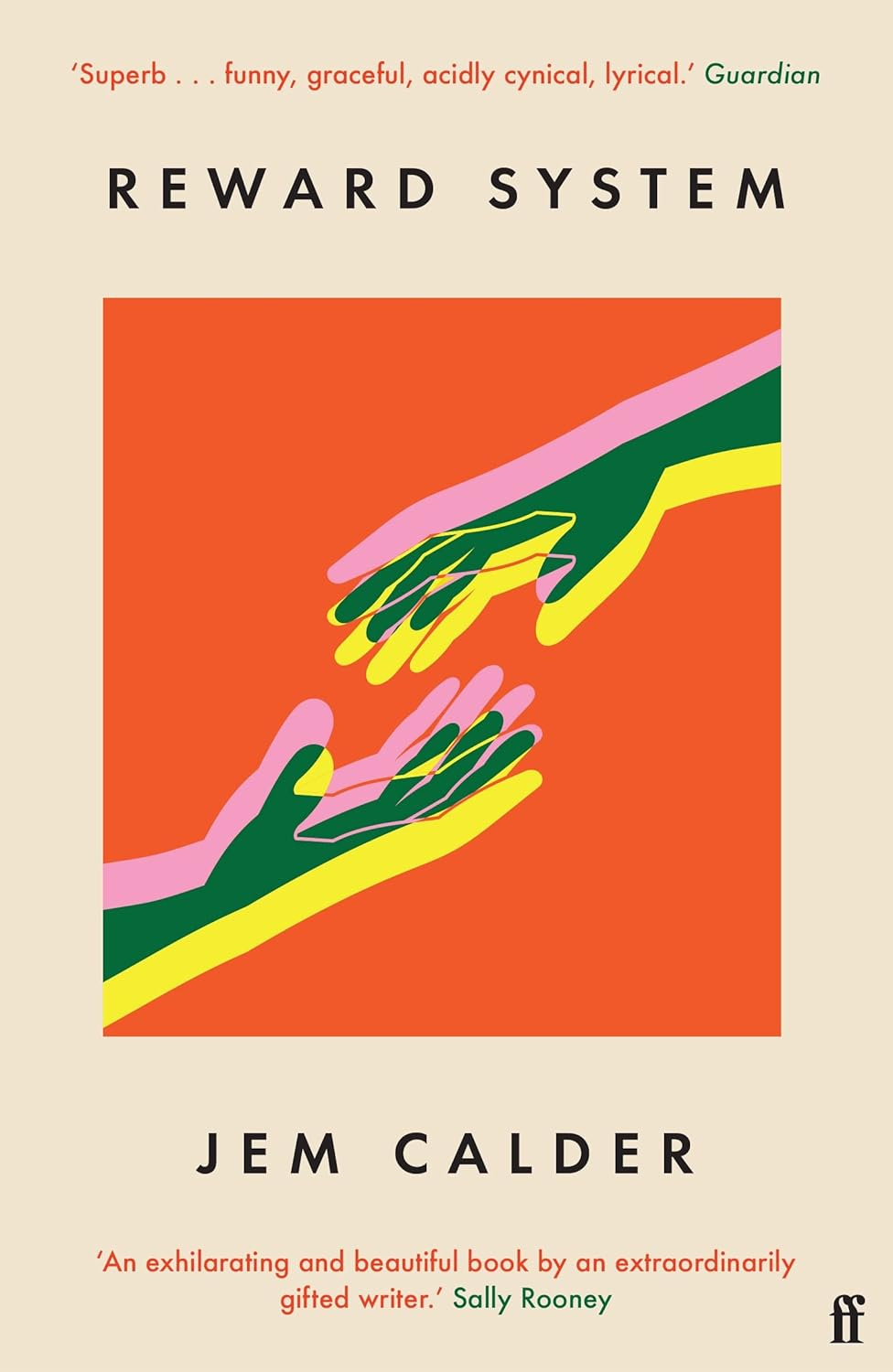
A short story collection exploring a generation of the cusp; the story of two people enmeshed in Zooms and lockdowns, loneliness and love.
I’ve owned this book for years because Sally Rooney recommended it, but I ended up reading Calder’s debut novel I Want You To Be Happy first, which I loved and spurred me on to finally pick this up. Though classed as a short story collection, it’s really a series of linked stories revolving around the same two characters, Julia and Nick. Through these two characters, Calder examines the nature of human relationships and loneliness amidst an increasingly interconnected digital age.
Calder’s observations on contemporary life are smartly dry and witty, and he writes about technology and social media in a way that feels very natural and authentic (I often cringe when some authors mention social media in their books with a clumsiness that shows they don’t use/understand it). It seems Calder is just as chronically online as most of us, which I liked. If you’re a fan of Sally Rooney, definitely try this one.
Come and Get It - Kiley Reid [2]
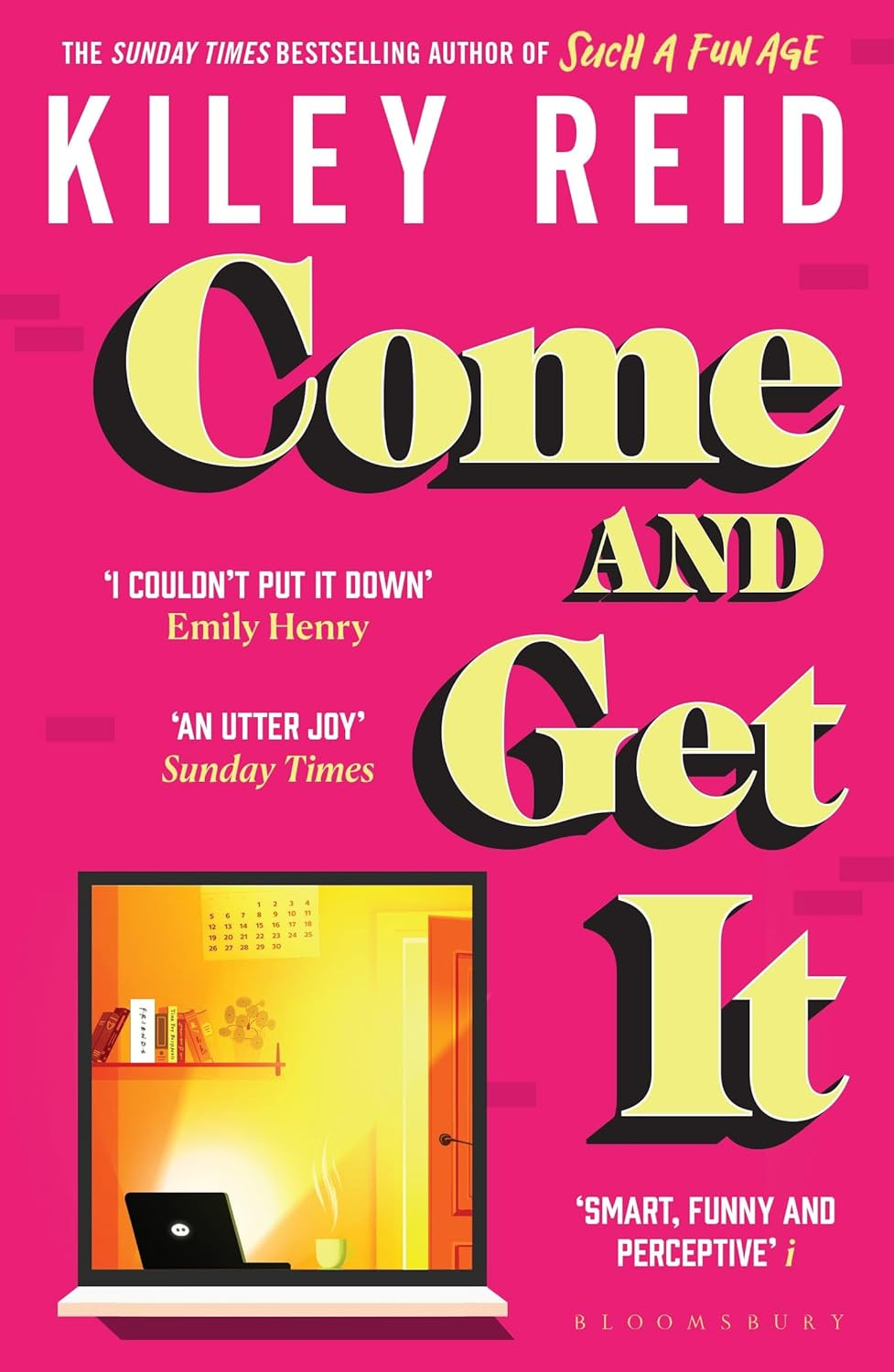
A senior Resident Assistant at a college becomes entangled in an unethical professional relationship with a visiting professor conducting research on wealthy college women.
Sadly, the above synopsis makes the novel sound a lot more interesting than it is. I started off enjoying this, and then it just didn’t go anywhere. I kept reading with the expectation that something would happen, but it was just full of repetitive, meaningless interactions and conversations between the characters with no plot to speak of. I famously enjoy books with little to no plot, but this had nothing else going for it.
I really like Reid’s writing style (there were many strong passages in this) and how she seeks to tackle themes around class and race, but with this I just struggled to see what the point was. If I were to refer to a book as ‘nothingburger’ it would be this.
Shuggie Bain - Douglas Stuart [4.5]
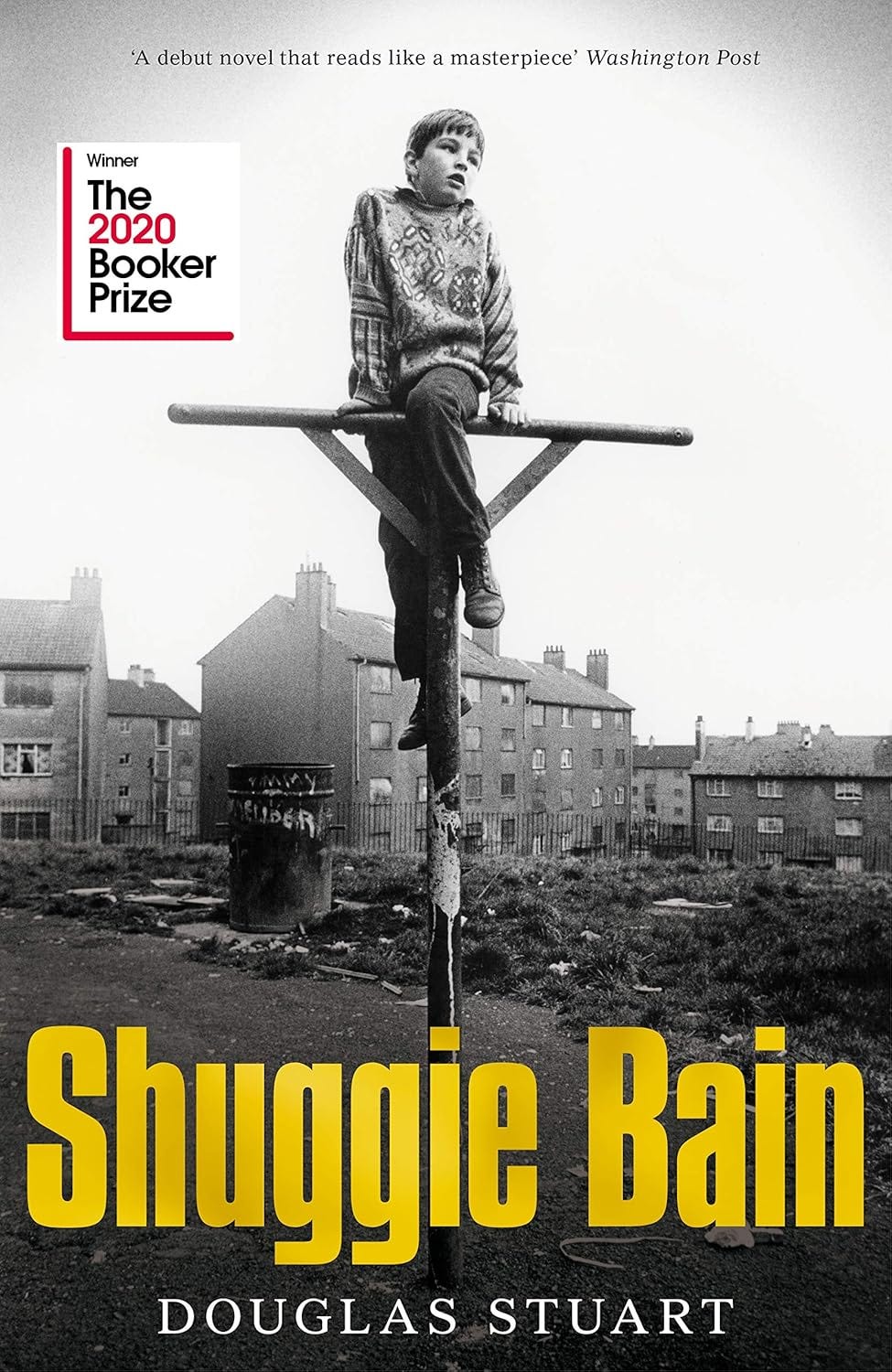
Set in 1980s Glasgow, a young boy tries to navigate his queer identity while caring for his proud but deeply alcoholic mother after his father abandons them.
What a book! I read this while sick in bed which perhaps wasn’t the best idea as it’s very bleak and I was already feeling sorry for myself, but here we are. It’s an incredibly compelling, immersive book, full of well-crafted, complex characters and an almost painful rawness, but that’s what makes it so realistic and harrowing.
Before reading this and also after finishing it, I read some reviews online calling it ‘poverty porn’ and criticising the fact that many of the characters are bad, selfish people. However, I think those criticisms are overlooking (and perhaps don’t understand) the brutal reality of a working class, poverty-stricken environment like the one depicted here. It really is a dog eat dog world, and in the face of austerity many people have to be selfish and even cruel in order to survive.
For people who haven’t experienced this working class poverty, it may seem gratuitous, but for those who have, the echoes of your own experiences come back to you all too clearly while reading this. It actually reminded me a lot of the Jacqueline Wilson books I read as a child—the exploration of poverty and its devastating effect on families, but above all, the core of the story centres on a child’s unwavering love for their mother.
The Mercy Step - Marcia Ann Hutchinson [3]
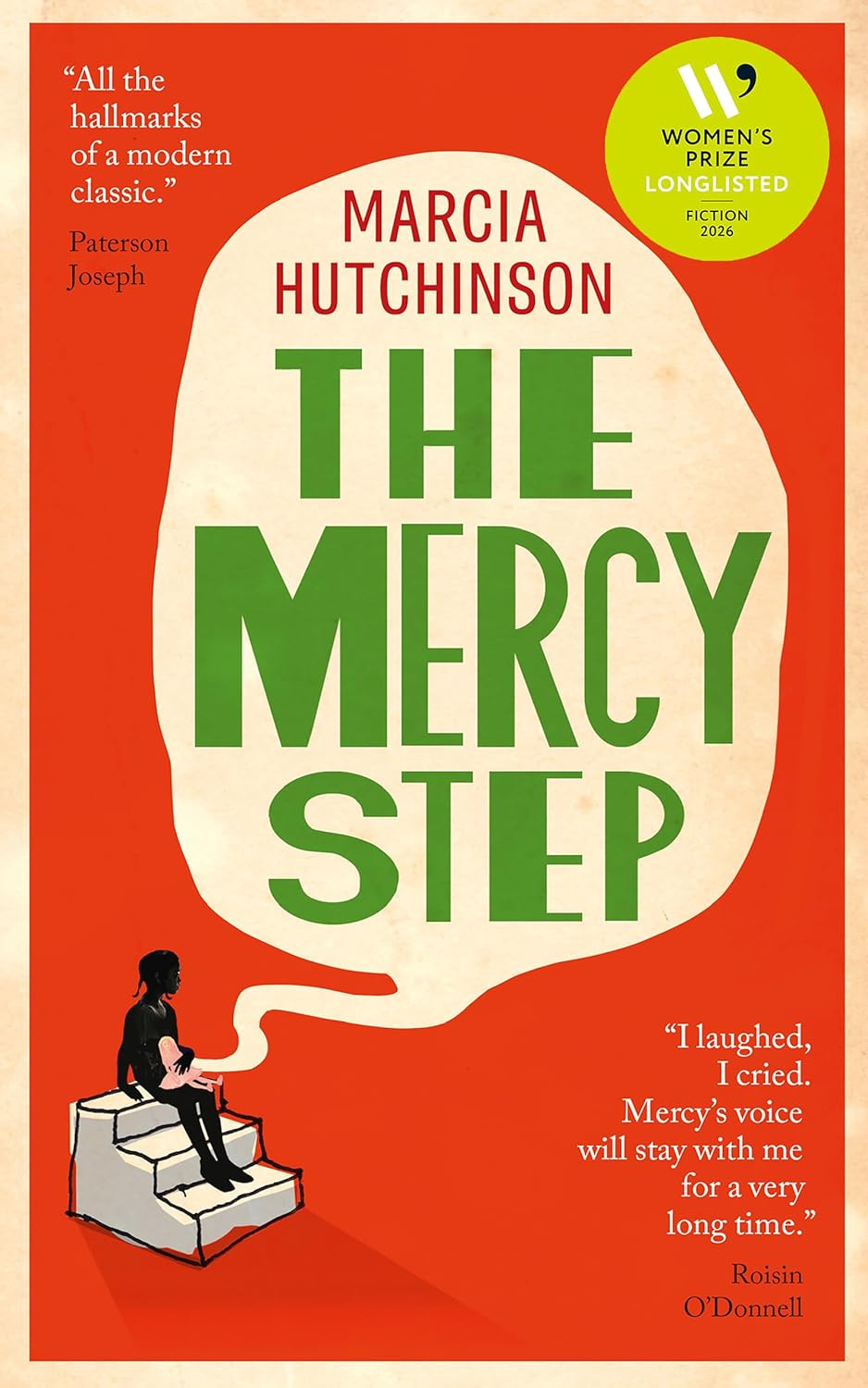
A young girl born to Jamaican immigrants in 1960s Bradford, England navigates a tumultuous childhood.
This is another one I read from the Women’s Prize for Fiction 2026 shortlist. This book was a grower in that the more I read it, the more I liked it. I don’t want to say too much about this as I’m doing a whole Women’s Prize post when I’ve finished the shortlist. But I did enjoy reading it, even though I don’t think it’s particularly memorable.

As always, I want to hear what you read, loved, and maybe didn’t love, in April. Anything you’d recommend? Anything you wanted to love but didn’t? Do we agree/disagree on these books? Leave a comment and let me know 💌
some great recommendations here, thank you for adding to my never ending tbr haha!
Please do the replacement of screen time with books challenge! I need one myself